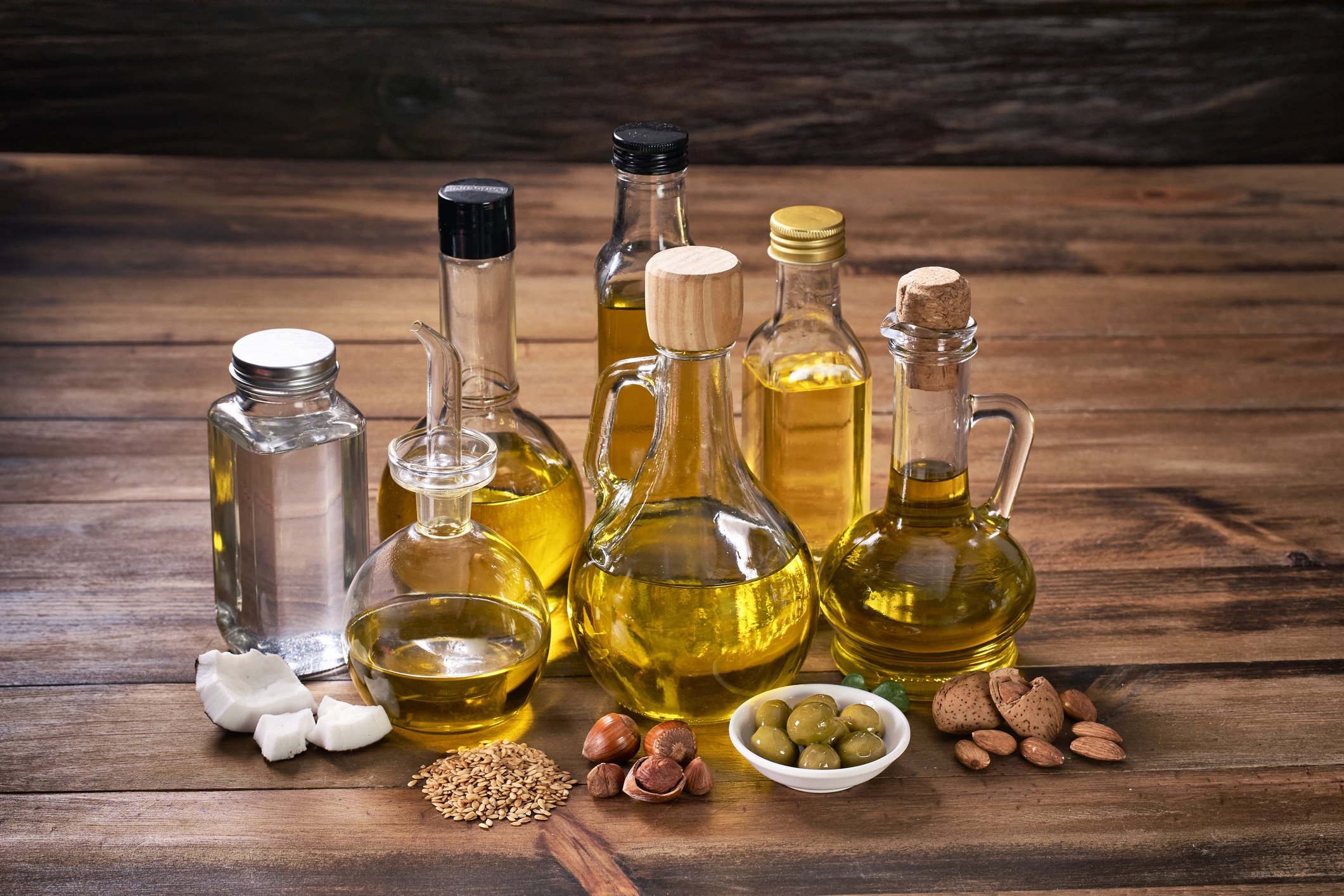
Seed oils: science, myths, and what the evidence actually says
(A research-driven look at what seed oils are, how they compare with other fats, and why the online panic about them doesn’t match the science.)
Seed oils — think canola, soybean, sunflower, corn, grapeseed, safflower and friends — are everywhere: in home kitchens, restaurants, and in a large number of processed foods. Lately, they’ve also become a lightning rod on social media, accused of causing everything from inflammation to cancer. That’s a big claim, and it deserves a sound, evidence-first response. Below, I’ll define what seed oils are, list common examples, summarize the proven benefits and possible downsides, how they compare to animal fats and other plant oils, and unpack the wave of demonization and misinformation you’ll see online — including how to evaluate recent headlines responsibly.
What are “seed oils”? Quick definition
“Seed oils” (often called vegetable oils) are edible fats extracted from the seeds of plants. Extraction is done by mechanical pressing (cold-pressed or expeller-pressed) or by solvent extraction and refining for higher yields and longer shelf life. The term is broad and includes both commonly used culinary oils and specialty oils.
Common seed oils (a practical list)
Here are the seed oils you’ll most often encounter in grocery aisles, packaged food ingredient lists, and restaurant kitchens:
Canola oil (rapeseed-derived)
Soybean oil
Corn oil
Sunflower oil
Safflower oil
Cottonseed oil
Grapeseed oil
Sesame oil (from sesame seeds)
Peanut oil (from peanuts — technically a legume seed oil)
Flaxseed oil (linseed)
Chia seed oil
Hemp seed oil
Rice bran oil
Mustard seed oil
Pumpkin seed oil and other specialty cold-pressed seed oils
(Names, grouping and availability vary by country — some lists will include a few different specialty oils.)
The nutritional profile in one sentence
Most seed oils are high in polyunsaturated fatty acids (PUFAs) — especially linoleic acid, an omega-6 PUFA — and provide vitamin E and other minor nutrients. Some (like canola) also contain appreciable monounsaturated fats and small amounts of omega-3 ALA.
Evidence-based benefits of seed oils
These are the health effects that have the strongest support from clinical trials, meta-analyses and major health organizations:
Lower LDL (“bad”) cholesterol when replacing saturated fat. Randomized trials and systematic reviews show that replacing saturated fat (e.g., butter) with polyunsaturated-rich plant oils reduces LDL cholesterol — a major heart disease risk factor. The American Heart Association and other major bodies recommend a higher intake of polyunsaturated and monounsaturated fats instead of saturated fats.
Associated with lower cardiovascular risk in many trials and meta-analyses. Diet patterns that raise PUFA intake (from plant oils, nuts, seeds) in place of saturated fats are associated with lower rates of heart disease and stroke in many clinical and population studies. Recent reviews of unsaturated fatty acids support their cardiovascular benefit.
Provide essential fatty acids and vitamin E. Linoleic acid (omega-6) is essential — the body cannot make it — and seed oils are a concentrated source. Many seed oils also contain vitamin E, an antioxidant nutrient.
Affordable and versatile sources of plant fat. Seed oils are inexpensive, high-yield sources of culinary fat and are a major contributor to dietary fat availability worldwide.
Common concerns and what the evidence says (objectively)
Below, I address the most widely shared worries about seed oils and summarize the evidence.
Concern: “Seed oils are inflammatory because they’re high in omega-6s”
Reality: The concern is that omega-6 linoleic acid can convert to arachidonic acid and pro-inflammatory eicosanoids. But controlled trials and population studies show that dietary linoleic acid does not reliably increase systemic inflammation, and replacing saturated fat with linoleic-rich oils tends to lower cardiovascular risk. Overall, current evidence does not support the blanket claim that typical dietary intake of seed oils causes harmful chronic inflammation.
Concern: “Refining leaves harmful chemicals (hexane) or creates trans fats”
Reality: Most commercial extraction uses hexane as a processing aid; regulatory agencies treat it as such, and modern refining removes the bulk of solvent. Residues, where detected, are typically very low and are regulated (EU and other jurisdictions set maximum limits). There are legitimate environmental and occupational concerns with hexane, and some regulatory bodies have called for re-evaluation of solvent safety data — but the scientific consensus is that commercially refined oils are not a proven toxic exposure for the typical consumer. About trans fats: industrially produced trans fats (from partial hydrogenation) are the culprit for cardiovascular harm, not the properly refined vegetable oils supplied to consumers today.
Concern: “Seed oils oxidize when heated and create toxic oxidation products”
Reality: All unsaturated fats can oxidize at high heat. Polyunsaturated oils are more prone to oxidation than monounsaturated or saturated fats. That said, how oils are used matters: avoid overheating, don’t reuse frying oil repeatedly, and choose oils appropriate for the cooking temperature (higher smoke-point options for high-heat frying). The real risk in many cases is not a single cooking event but chronic exposure to repeatedly reused, overheated oil in commercial frying.
Seed oils vs other plant oils (olive, avocado) and vs animal fats (butter, lard, tallow)
A quick, evidence-focused comparison:
Seed oils (PUFA-rich): Tend to lower LDL when substituted for saturated fats; provide essential linoleic acid and vitamin E. More prone to oxidation at high heat than monounsaturated oils. Suitable for dressings, low- to medium-heat cooking, and as a butter or margarine replacement in baking.
Olive oil (mostly monounsaturated, extra-virgin contains polyphenols): Strong evidence (Mediterranean diet trials) for cardiovascular benefits and additional anti-inflammatory/antioxidant effects from polyphenols. Often a preferred choice for flavour and for health when used raw or at low to medium heat.
Avocado oil (monounsaturated): Similar advantages to olive oil with high monounsaturated fat; higher smoke point makes it versatile for cooking. The evidence is supported, but on a smaller scale than in olive oil studies.
Animal fats (butter, lard, tallow): Higher in saturated fat, which raises LDL cholesterol relative to most plant oils. Some culinary advantages (flavour, stability at high heat), but replacing large amounts of saturated animal fat with unsaturated plant fats reduces LDL and likely cardiovascular risk.
Bottom line: the healthiest choice depends on context — culinary use, desired smoke point, dietary pattern, and whether you’re replacing saturated fats or refined carbohydrates. Replacing butter with a seed or olive oil is a different (usually healthier) change than replacing a salad dressing oil with butter.
The demonization: where did it come from, and is it fair?
In the last several years, a loud narrative has taken hold online: seed oils are “toxic,” a modern industrial poison, or the root cause of chronic disease. Several factors explain the rise of this message:
Anecdotes and simple narratives fit social platforms. Saying “seed oils cause inflammation” is short and shareable; scientific nuance is not.
High-profile amplification. Some public figures and influencers have repeated simplified or exaggerated claims (e.g., that seed oils are “poisoning” people), which accelerates the spread.
Confusion between processed foods and the oil itself. Many processed foods contain seed oils and ultra-processed ingredients (added sugars, refined carbs, additives). Blaming seed oils for the harms associated with processed diets conflates correlation with causation.
Selective citation of preclinical studies. Cell and animal studies (and early mechanistic papers) can show plausible pathways — useful for hypothesis generation — but, by themselves, they do not prove that typical dietary intake produces the same effect in humans.
Conclusion: There is real science to study — including new preclinical findings — but the broad-stroke claims that seed oils are a modern poison are not supported by the balance of human clinical and epidemiologic evidence. Experts and major health organizations have repeatedly cautioned against sensationalist interpretations.
The recent study linking linoleic acid to the growth of aggressive breast cancer — what to make of it
A 2025 Science paper from Weill Cornell identified a mechanism (FABP5–mTORC1) by which linoleic acid could stimulate growth of triple-negative breast cancer (TNBC) in cell and mouse models; the study also found higher FABP5 levels in TNBC tumour samples. This is important mechanistic science and may point to personalized dietary recommendations for particular cancer subtypes in the future. But crucial caveats apply:
The work is preclinical (cell and animal models), not a randomized human trial proving dietary linoleic acid causes human cancers.
Linoleic acid occurs in many foods (some animal products, too), and this mechanism appears to be specific to tumour types that express the FABP5 protein.
Translating preclinical findings to public health advice requires human studies; until then, the result is a reason for targeted research and for clinicians to counsel high-risk patients on diet as part of an individualized plan, not a general ban on seed oils for everyone.
Social media fear-mongering: how to spot it and respond
Influencer posts often use rhetorical patterns rather than data:
Big claims with little context (e.g., “seed oils cause inflammation” without citing human trials).
Selective quoting of preclinical studies as if they were proof in humans.
Emotional language (“poison,” “chemical,” “unnatural”) rather than measured risk communication.
If you see a viral claim, ask: Is the claim based on human RCTs or large prospective cohorts? Is the scope specific (a type of cancer, a subgroup) or generalized? Is the primary research preclinical? Trusted sources to cross-check: major medical centers (Johns Hopkins, Mayo, Mass General), professional bodies (AHA), systematic reviews and high-quality journals.
Practical, evidence-based guidance for cooking and eating
Replace saturated fats with plant unsaturated fats where appropriate (e.g., use oils instead of butter for many cooking tasks) to improve cholesterol profile.
Choose the right oil for the job: olive or avocado for flavour and low-to-medium heat; higher smoke-point refined oils for deep frying (but avoid repeatedly reusing frying oil).
Prefer minimally processed, cold-pressed specialty oils for finishing and flavour; refined seed oils are fine for many uses, but choose reputable brands and avoid overheated/reused oil.
Balance omega-6 with omega-3 sources: eating fatty fish, flax, walnuts, or using oils with ALA supports a healthier overall fatty acid profile, although the evidence doesn’t show you must “avoid” omega-6 to be healthy.
Bottom line: what the totality of evidence supports
Seed oils are not a proven public-health poison. A large body of human evidence shows that replacing saturated fats with polyunsaturated and monounsaturated plant oils lowers LDL cholesterol and is associated with reduced cardiovascular risk. Major health organizations support their use as part of a healthy dietary pattern.
Some legitimate questions remain (mechanistic pathways in certain cancers, long-term effects of repeated high-heat cooking/reuse, environmental/occupational concerns around solvents), and new preclinical findings should be followed with careful human research — but they do not justify blanket bans or panic.
Be skeptical of social media absolutism and look for context: is a claim based on human trials, population data, or a single mouse study? Is the claim generalized from a narrow finding? Use trusted sources to verify.